
Heat, dogs and cats

Tessa Larkin · Writer, pet wellbeing and pet gear
Tessa lives with a Labrador and two cats on the Texas Gulf Coast, one of the hottest and most humid corners of the country in summer. For several seasons she has been testing, in real conditions, what actually helps animals through the heat and what only looks like it does.
Why heat is a different problem for an animal than it is for us
An adult human has more than two million sweat glands. When we are hot, sweat evaporates across the whole body surface and carries heat away. It is a remarkably effective system, and it is why we can get through 95 °F at all.
A dog does not have that system. Its few glands are in the paw pads and contribute almost nothing. What it has left is panting: breathing fast and shallow so moisture evaporates from the tongue and airways. It works, but it costs muscular effort, so it produces heat of its own, and it works worse the more humid the air is. In muggy weather this is the first route to fail.
A cat regulates in yet another way. It pants very little, sweats only through the paws, and licks its coat so the saliva evaporates. Above all it regulates by choosing where to lie down. That is why in summer you find her in the shower tray, the sink or on the hallway tile. It is not a quirk, it is her method.
Both of them keep a second route that rarely gets thought about: giving off heat through the underside of the body, where the coat is thin and the skin touches the floor. That is exactly what a cool surface deals with, and it is why the same four things come back in nearly every piece below: shade, moving air, water, and a surface that absorbs heat.
How we work
When we give a number, we measured it, and we say with what instrument and under what conditions. When a figure circulates without a source you can check, we write that down instead of repeating it. How we run the tests is on the page about how we test.
And we do not give veterinary advice. We are not vets, and where the subject turns medical we say so, and say that a practice is the right place for it.
When it is urgent
Recognising the signs and knowing what counts in the first few minutes.
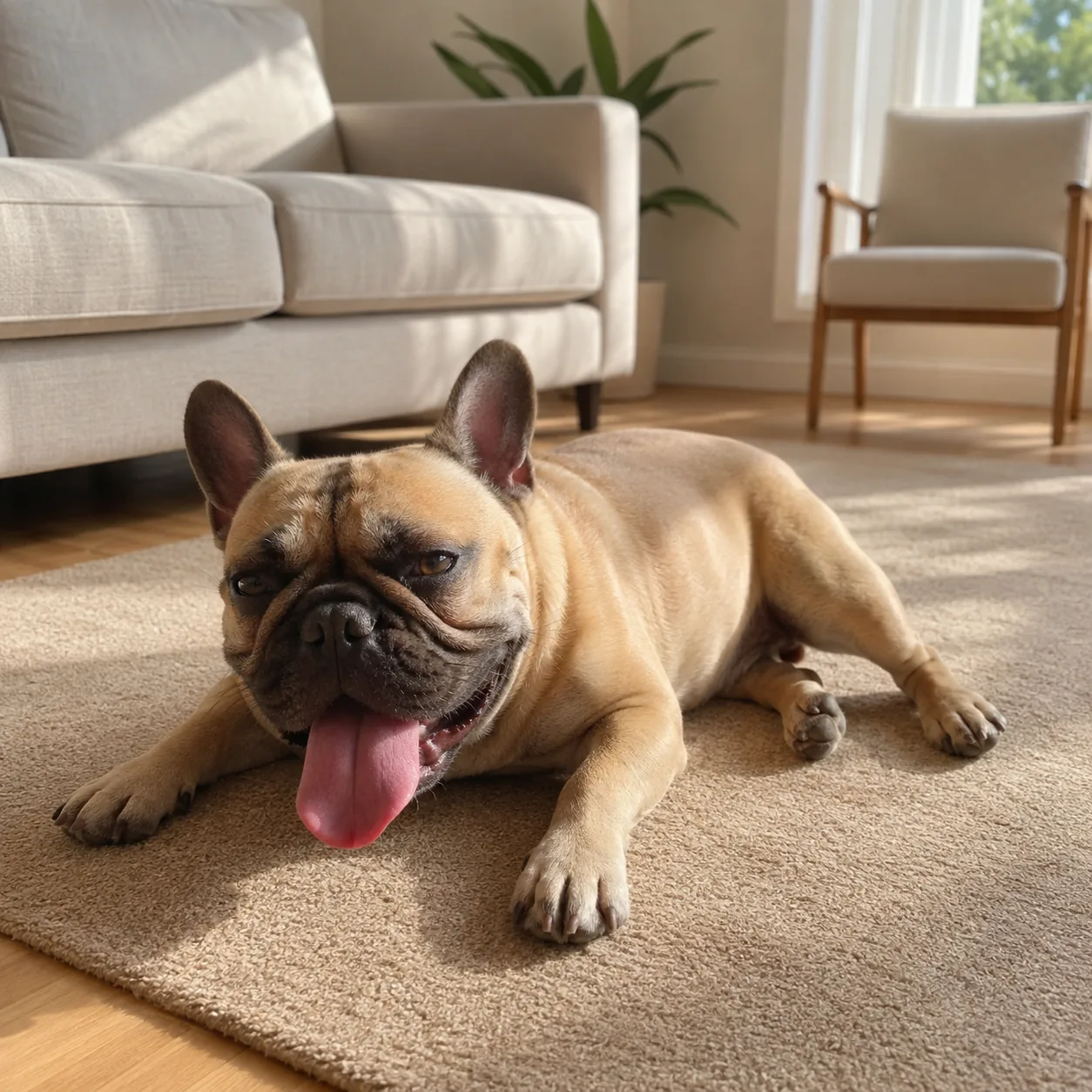
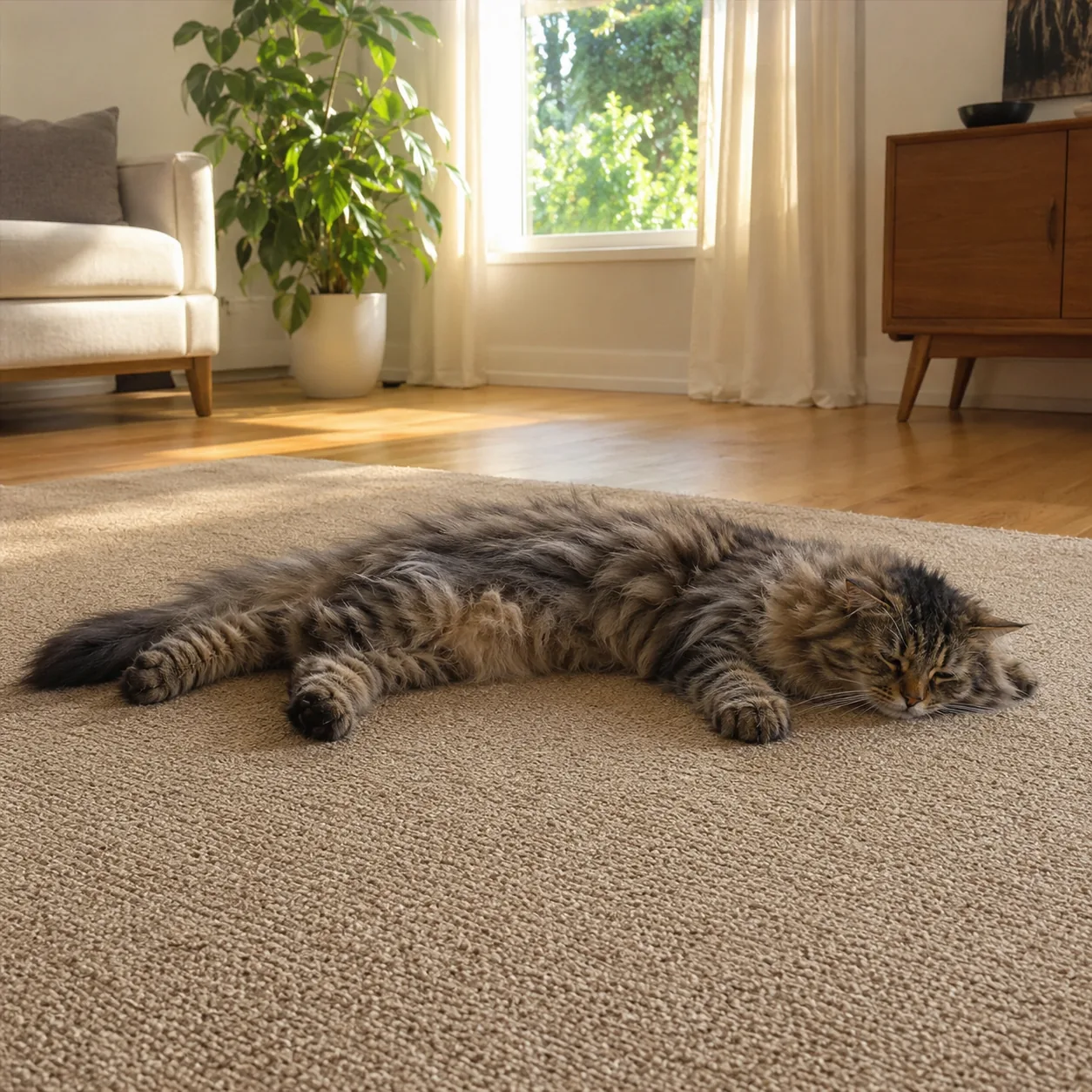
What helps day to day
The things that genuinely change something, and the ones you can skip.
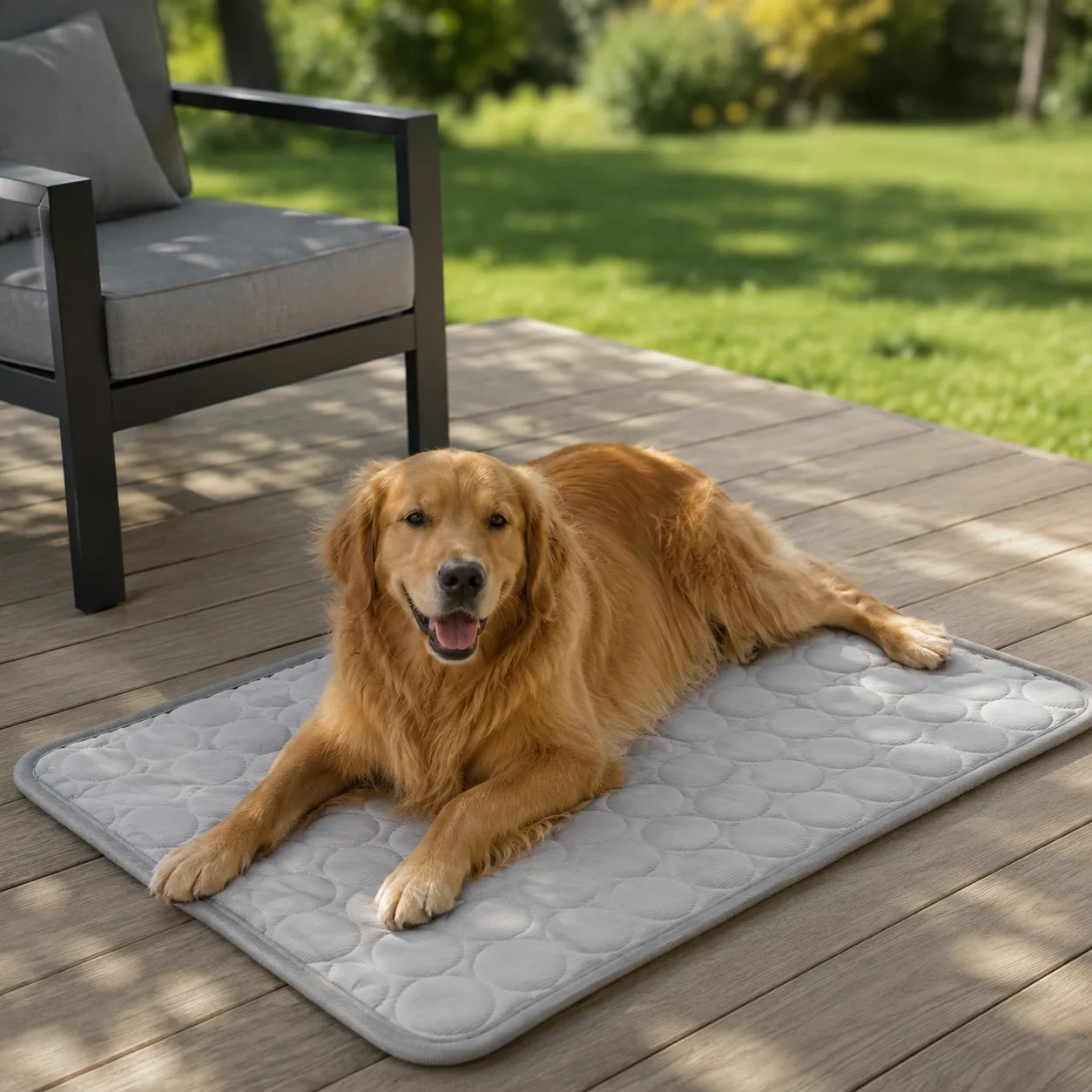
How to cool down a dog: 9 things that actually work
From the time of the walk to the damp towel, in order of usefulness. And why ice water is the most common well-meant mistake.
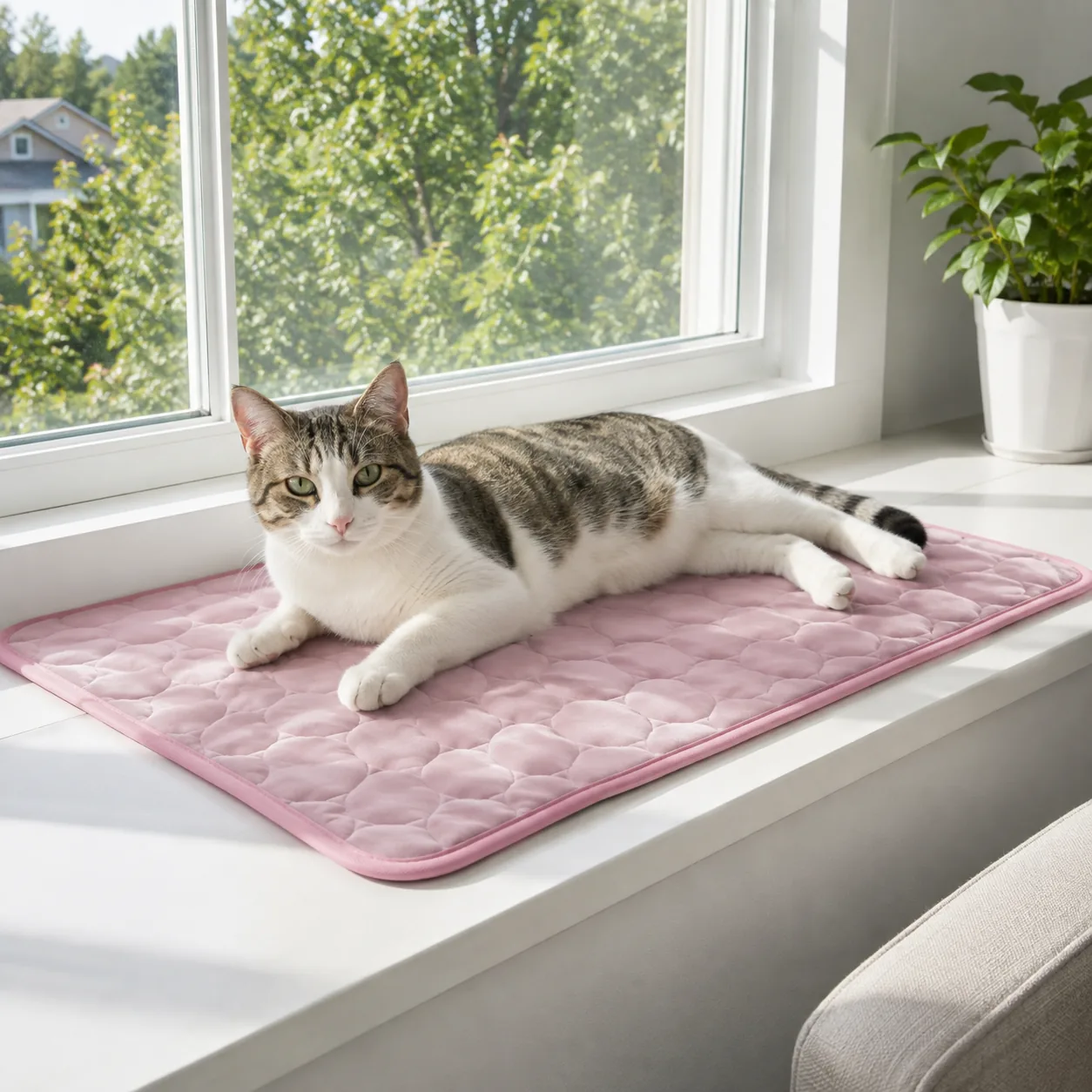
How to cool down a cat: 8 things that actually work
Cats do not let you cool them down, they cool themselves down. What to change in the house so they can.
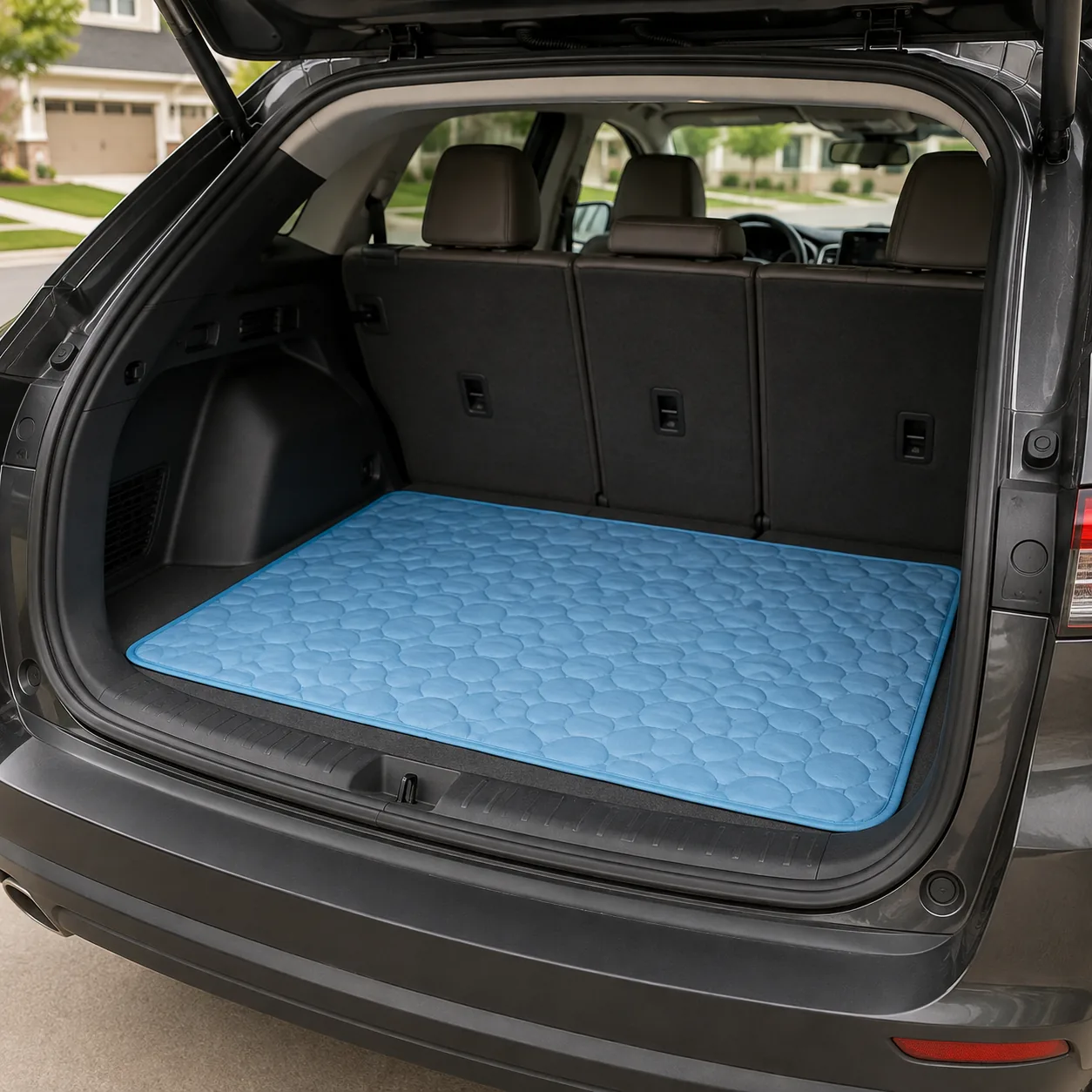
Using a cooling mat in the car and away from home
Back seat, crate, rental. And the one rule with no exceptions.
If your pet is more exposed
Not every animal goes into summer holding the same cards.
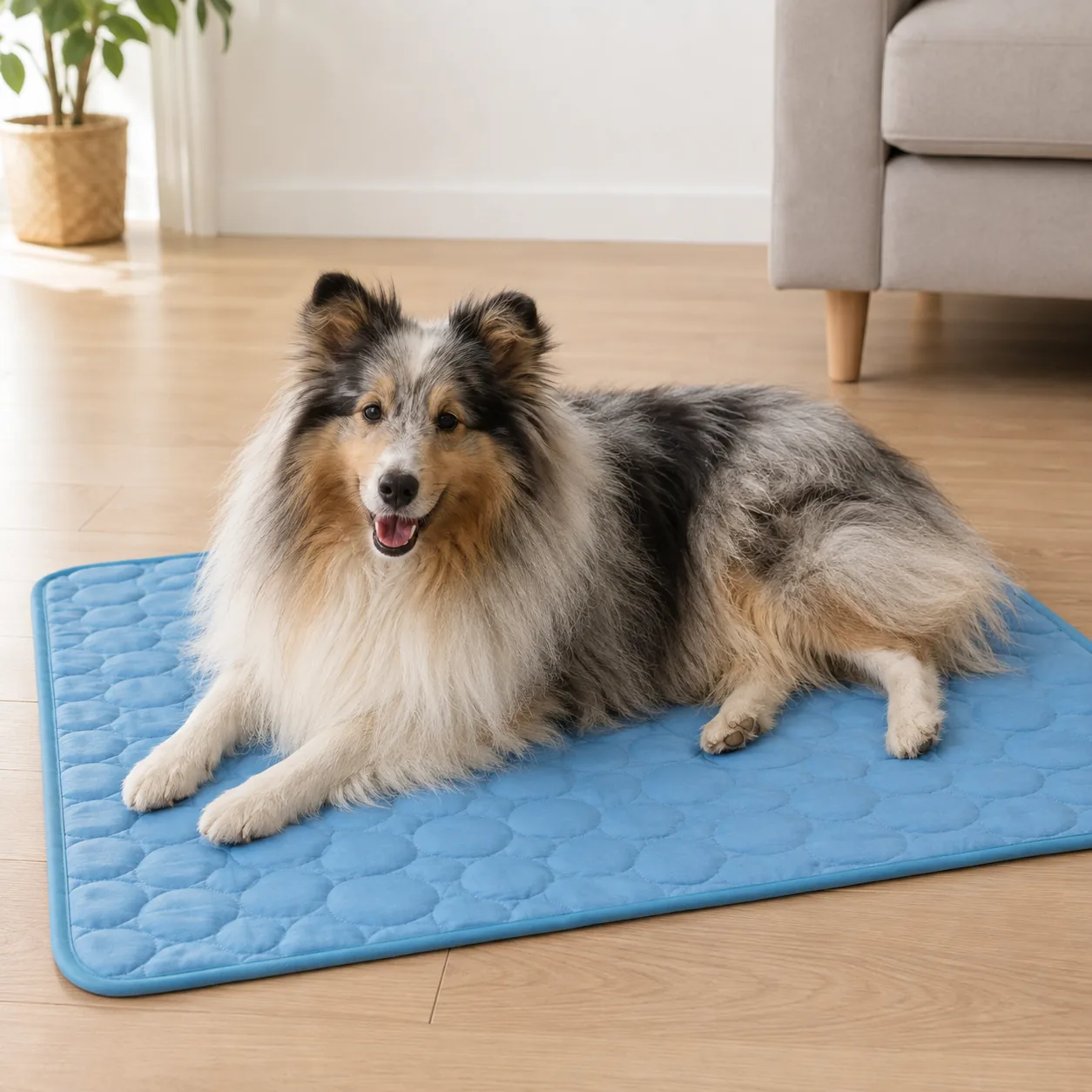
Which dog breeds struggle most in the heat?
Short muzzle, dense undercoat, body mass: the three builds that start at a disadvantage, and what changes for each.
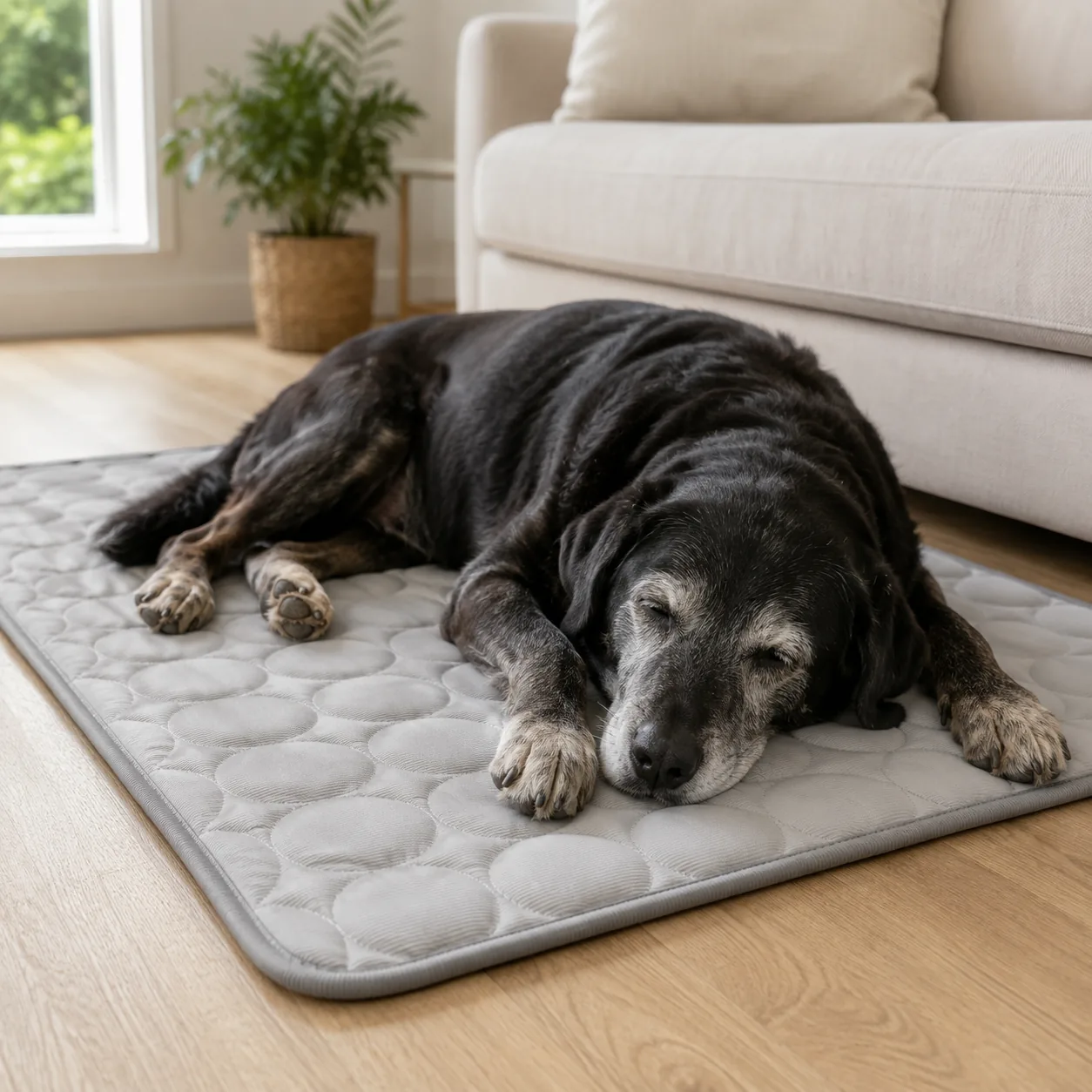
Senior dogs and cats in summer
Slower regulation, weaker thirst, harder to move around. And the signs that should never be written off as age.
Before you choose
How these products are built, and how to check what they promise.
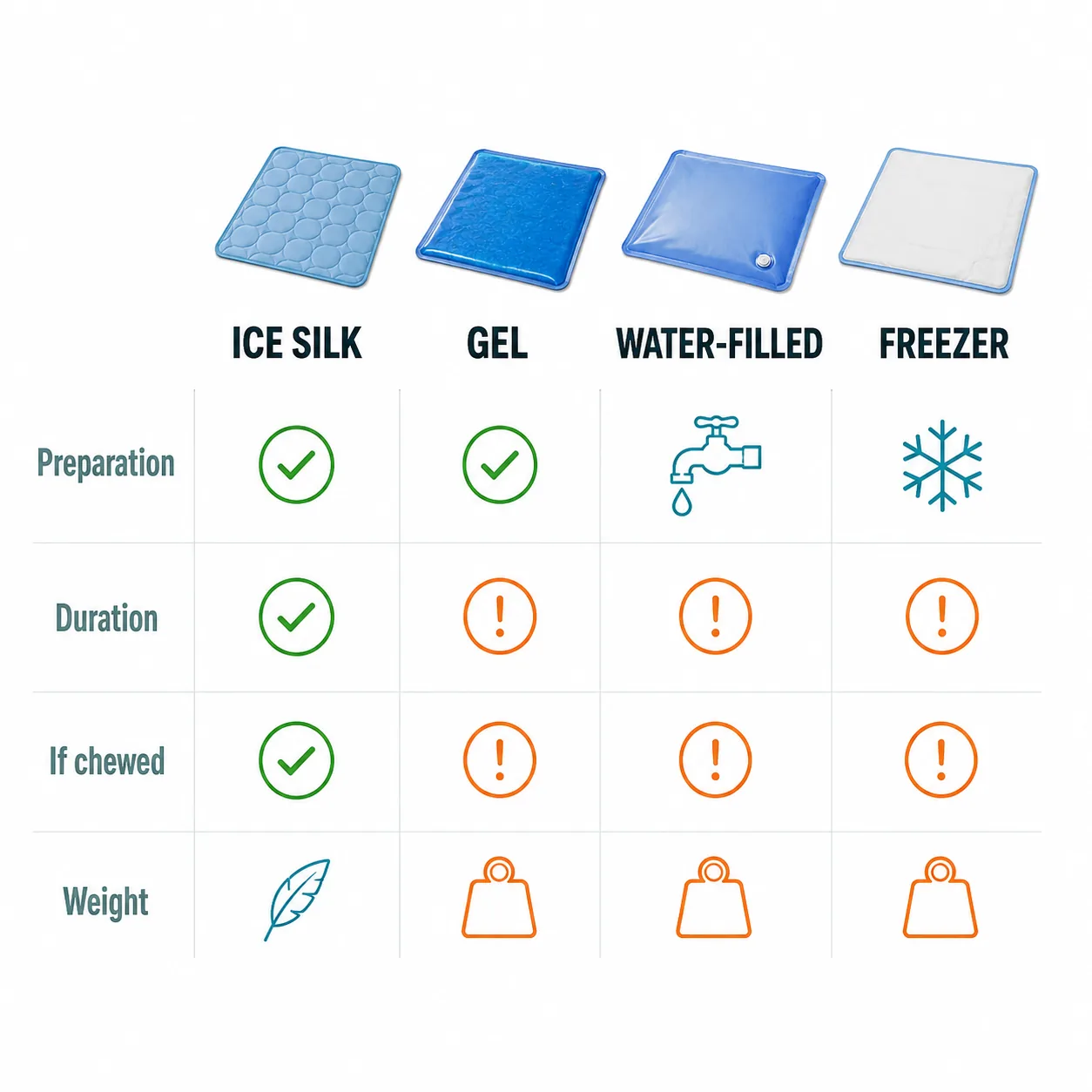
Gel or ice silk: which mat for which animal?
The four technologies, where each one stops cooling, and what that first impression of cold actually costs.
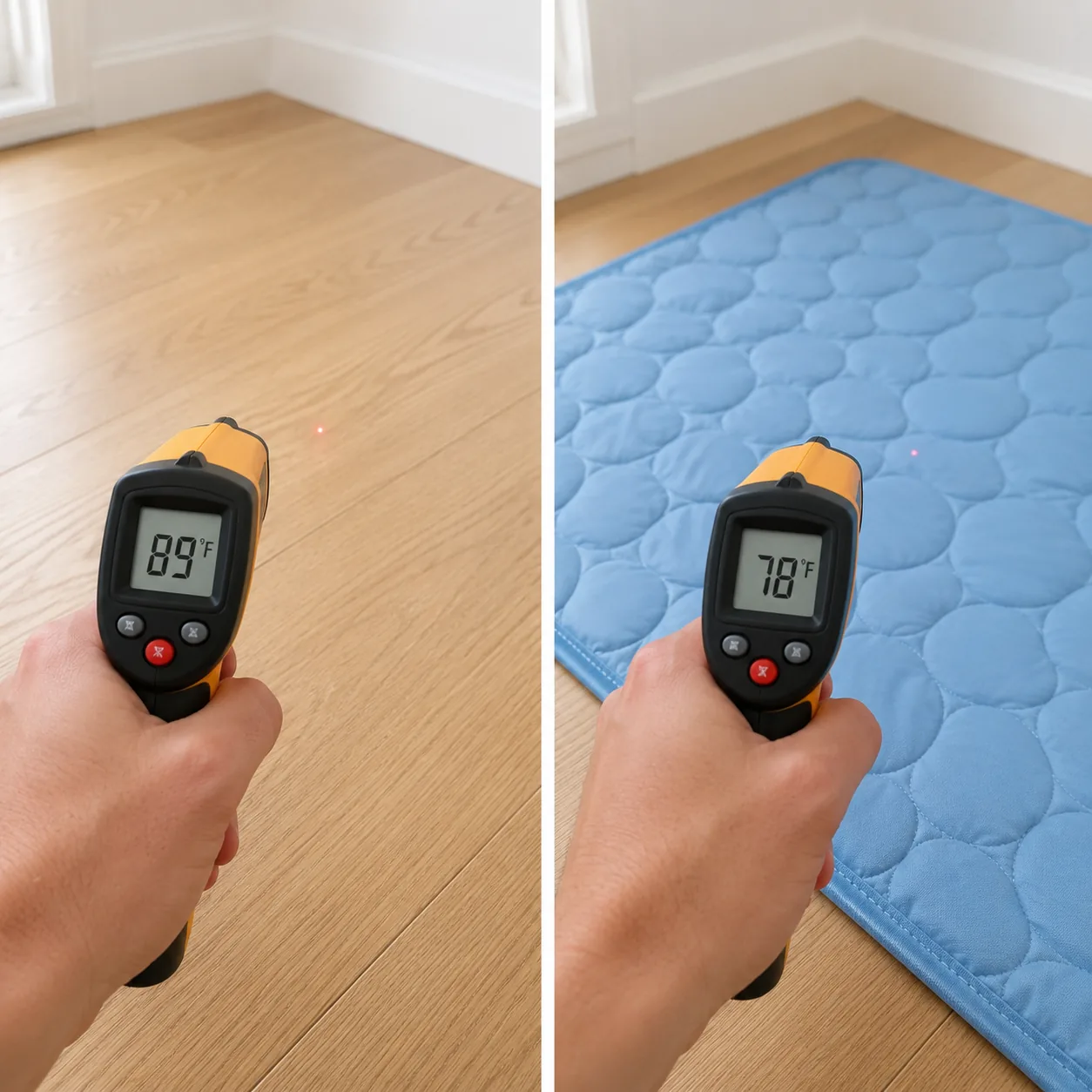
How long does the cooling really last?
With measured numbers, and with the one question that tells you whether any other number means anything.
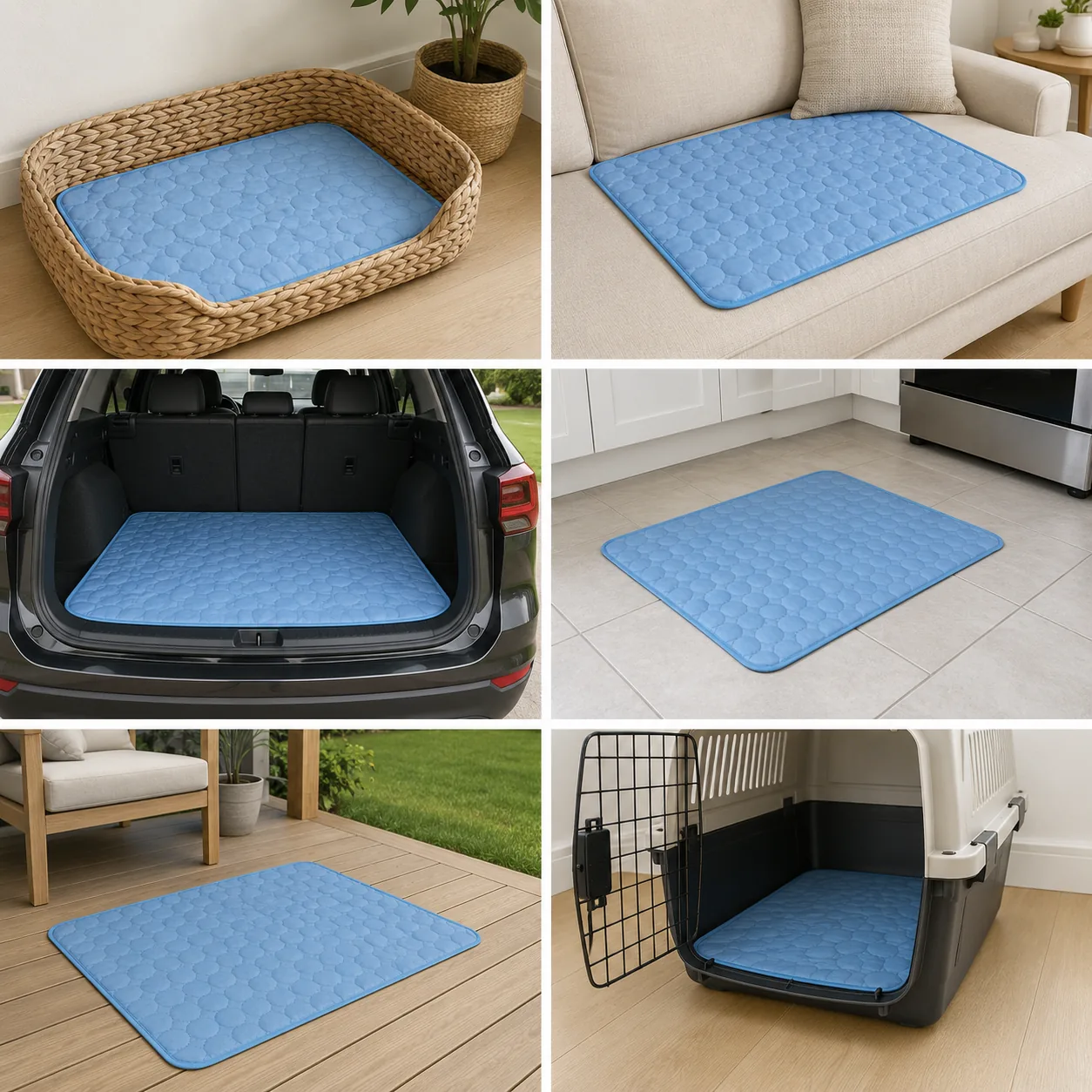
Cooling mat, cooling vest or cooling bed: which one, and when?
Six formats that do not solve the same situation, and the physical limit each one runs into.
Straight to the product
If you already know what this is about: how a cooling mat works explains the physics with the measured figures, the size guide tells you which size your animal needs, gel-free cooling mat answers the safety question, and the best dog cooling mat gives you six criteria to judge any mat yourself.
The Frimouf Ice cooling mat
Ice silk with no gel, no power and nothing to put in the freezer. Four sizes from 19.7 × 15.7 in to 59 × 39.4 in, four colors, from $39.99.
Free shipping to 18 countries · 30-day returns · We reply within 24 hours